
Energy
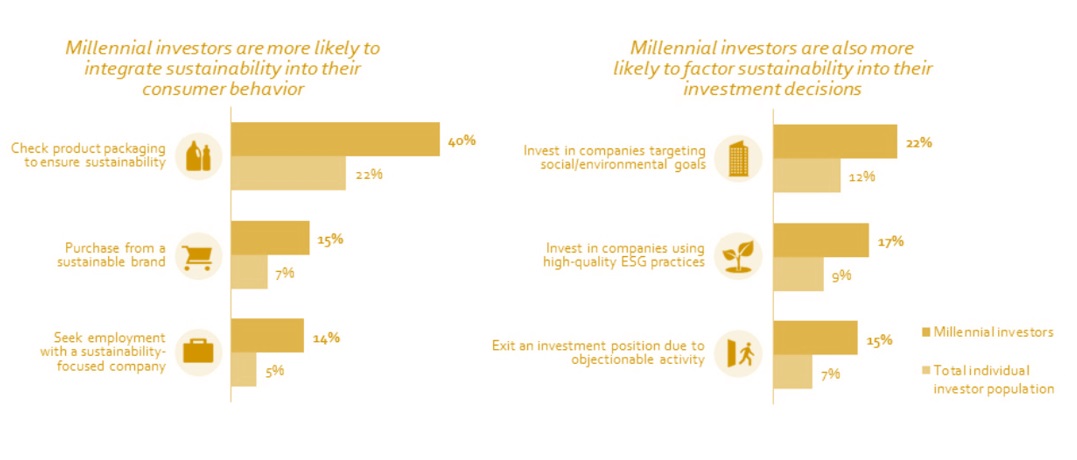
Over 75 percent of Millennial investors are already putting their money into — or are keen to explore — socially responsible and impact investment options designed to drive positive change worldwide.
Solar Energy
Solar power is becoming more and more cost-effective in sunny, tropical regions around the globe. Because solar panel prices track Moore's Law, they are set to complement — and ultimately displace — fossil fuel based alternatives.
Hydro Energy
The most widespread form of hydroelectric plant relies on a river dam to hold water in a reservoir. When that water is released, it rushes through a turbine and spins it, which drives a generator to create electricity.

Wind Energy
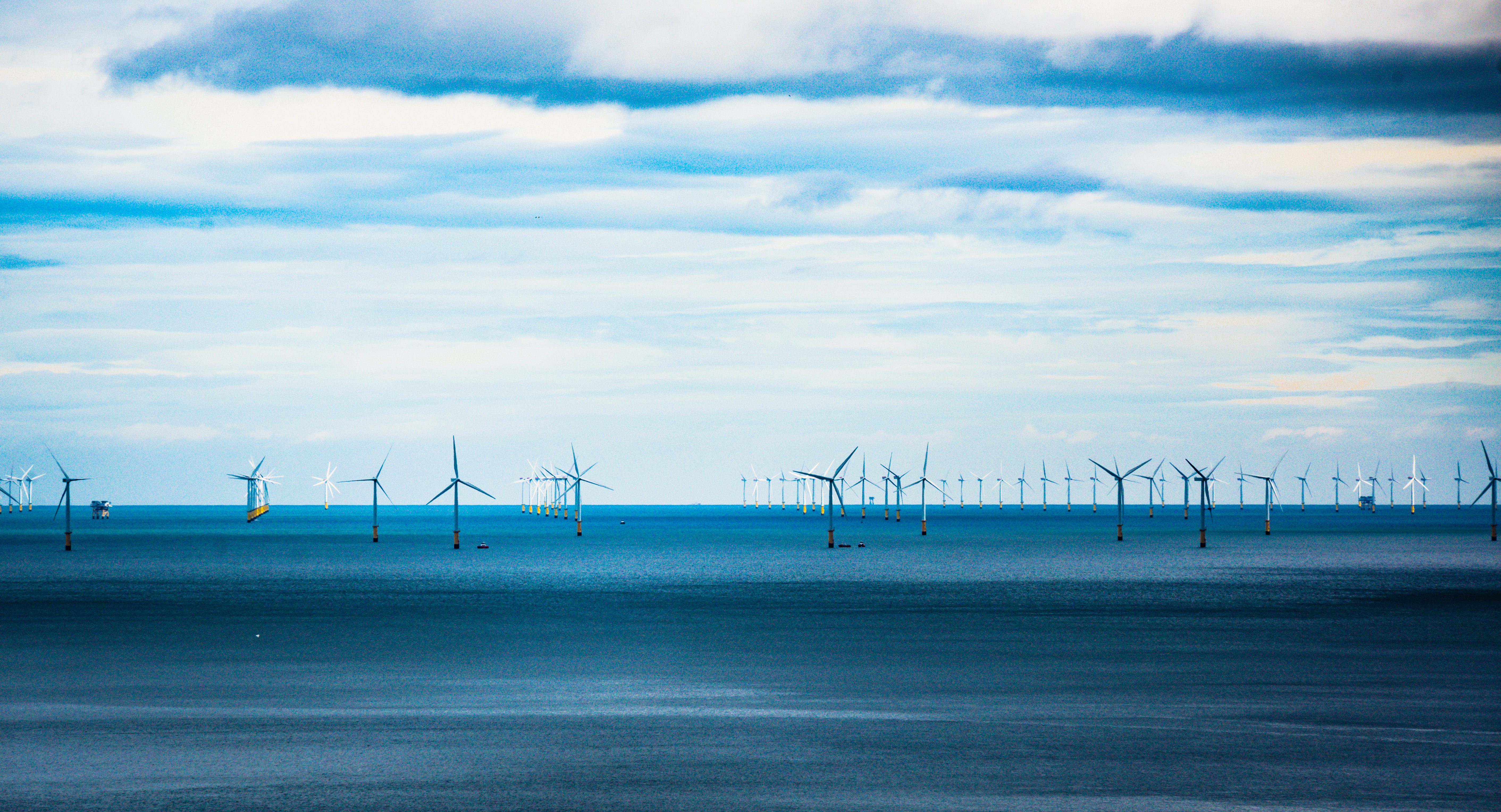
Wind energy — also called wind power — is the generation of electricity from the wind, meaning the natural air flows moving through the earth’s atmosphere. Today’s wind turbines harness that kinetic energy and turn it into usable electricity.
Frequently Asked Questions
What does GoldenStemImpact mean by the “double bottom line”?
The double bottom line means judging success by two measures at once: financial returns and social impact — the two outcomes this page highlights across its energy sectors.
Which energy sectors are covered on this page?
Three energy sectors are featured here: solar energy, hydro energy, and wind energy.
Why is solar energy considered increasingly viable?
As noted above, solar power is becoming more economically viable in sunny, tropical regions worldwide, and because solar panel costs follow Moore’s Law, solar is expected to complement — and eventually replace — fossil fuel based alternatives.
How does a hydroelectric power plant generate electricity?
The most common design uses a river dam to hold water in a reservoir; when that water is released, it flows through a turbine and spins it, which drives a generator to produce electricity.
How is wind energy captured?
Today’s wind turbines harness kinetic energy from the natural air flows in the earth’s atmosphere and convert it into electricity.
Why does socially responsible investing matter to investors?
As this page notes, over 75 percent of Millennial investors are already putting their money into — or are interested in exploring — socially responsible and impact investment options aimed at creating positive change in the world.
Across solar, hydro and wind, the common thread is turning naturally available resources into cleaner electricity while still delivering financial returns. That blend of profit and positive impact is what the double bottom line is all about, and it is why so many younger investors are drawn to these sectors.